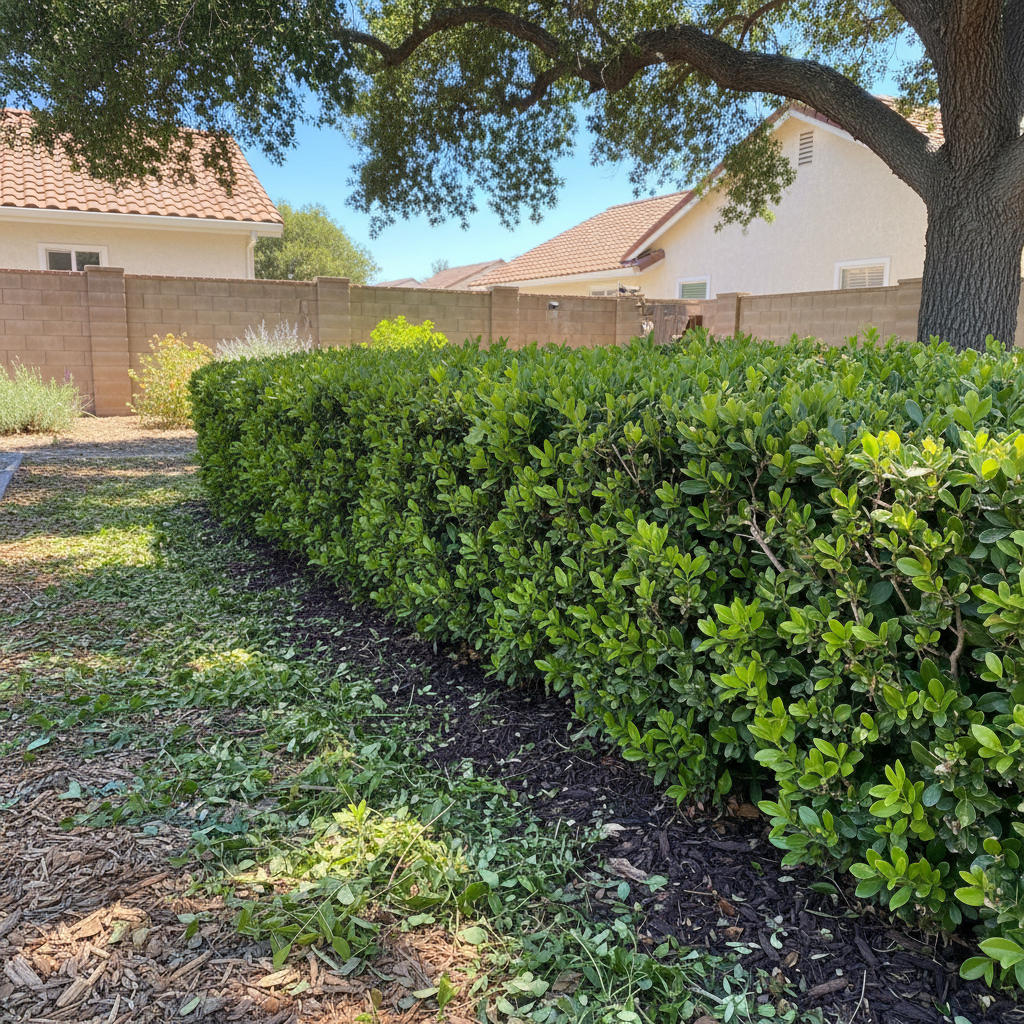
You've got shrubs and bushes, and you know they need trimming. But when? How much? What tools? I hear these questions all the time from folks right here in Fairfield, from the older homes in Green Valley to the newer developments out near Travis Air Force Base. Let's cut through the noise and get to the real answers you need.
When's the best time to trim my shrubs and bushes?
This is probably the most common question I get, and honestly, it depends on the plant. Generally speaking, for most deciduous shrubs (the ones that lose their leaves in winter), late winter or early spring is ideal, right before new growth starts. They're dormant, so it's less stressful for them, and you can see the plant's structure better without all the leaves. For flowering shrubs, it's a bit trickier. If it flowers on old wood (like lilacs or forsythia), you trim it right after it finishes blooming. If it flowers on new wood (like hydrangeas or roses), you trim it in late winter or early spring before those new flower buds form. Evergreen shrubs can usually handle a light trim any time of year, but I'd avoid doing heavy pruning during extreme heat or cold – so maybe not in the dead of summer when it's 100 degrees here in Fairfield, or when we get a rare frost.
What's the difference between pruning and trimming?
Good question! People use these terms interchangeably a lot, but there's a subtle difference in what we're usually trying to achieve. Trimming is generally about maintenance – shaping the plant, keeping it tidy, encouraging denser growth, or reducing its size slightly. Think of it like a regular haircut. Pruning, on the other hand, is often more about the plant's health and structure. It involves removing dead, diseased, or damaged branches, improving air circulation, or training the plant for a specific growth habit. You might prune to remove crossing branches or to open up the center of a dense shrub. Both are important for a healthy landscape, but they serve slightly different purposes.
Can I trim my shrubs myself, or should I hire a professional?
For small, routine maintenance trimming on easily accessible shrubs, absolutely, you can do it yourself! A good pair of hand pruners, loppers, and maybe a hedge trimmer are all you need. Just make sure your tools are sharp and clean. But if you're dealing with large, overgrown shrubs, thorny varieties, or anything that requires a ladder or specialized equipment, I'd strongly recommend calling in a pro. We've got the right gear, the experience to know how to make proper cuts without damaging the plant, and the insurance in case something goes wrong. Plus, we can haul away all the trimmings, which can be a real pain to deal with yourself. At Apex Tree, we see a lot of DIY jobs that end up needing a bit of a rescue later on.
How much should I trim off at once?
A good rule of thumb is to never remove more than about one-third of the plant's total foliage in a single season. Taking off too much can stress the plant, making it vulnerable to disease and pests, or even kill it. If a shrub is severely overgrown and needs a major reduction, it's often better to do it in stages over a couple of years rather than trying to fix it all at once. Think about the overall shape you want and make your cuts strategically to achieve that, rather than just hacking away. Step back frequently to assess your progress.
What tools do I need for basic shrub trimming?
You don't need a whole arsenal, but a few key tools will make your life a lot easier and your cuts cleaner. Here's what I recommend for most homeowners:
- Hand Pruners (Bypass Type): These are your workhorses for small branches, up to about 3/4 inch thick. Bypass pruners make a clean, scissor-like cut, which is better for the plant than anvil pruners.
- Loppers: For branches thicker than what your hand pruners can handle, usually up to 1.5 or 2 inches. They have long handles for leverage.
- Hedge Shears: If you have hedges or want a very formal, sculpted look for your shrubs. Manual ones are fine for smaller jobs, but electric or gas-powered ones save a lot of time for larger areas.
- Pruning Saw: For anything larger than your loppers can manage.
Always keep your tools sharp and clean. Dull tools tear and damage branches, making them more susceptible to disease.
My shrubs are looking leggy and sparse. Can trimming help?
Absolutely! This is a common issue, especially with older shrubs or ones that haven't been trimmed properly for a while. What you're describing often calls for a technique called 'rejuvenation pruning' or 'renewal pruning.' For many deciduous shrubs, you can cut the entire plant back hard, sometimes to just a few inches above the ground, in late winter. This encourages a flush of new, vigorous growth from the base. For evergreens, it's usually a more gradual process, removing the oldest, thickest stems over a few years to encourage new growth from lower down. The key is to understand your specific plant species, as not all shrubs respond well to such aggressive pruning. If you're unsure, it's always best to consult with someone who knows their plants, like us at Apex Tree, before you make those big cuts.
Should I fertilize after trimming?
It's not always necessary, but it can definitely help, especially if you've done a more significant trim or if your plants aren't looking their healthiest. Trimming does put a bit of stress on a plant, as it has to redirect energy to heal cuts and produce new growth. A balanced, slow-release fertilizer can provide the nutrients it needs to recover and thrive. Just make sure to follow the product's instructions for application rates. And remember, healthy soil is the foundation of healthy plants. Here in Fairfield, our clay soils can sometimes be a challenge, so amending with compost regularly can do wonders for nutrient availability and drainage, making your shrubs happier overall.
How do I dispose of all the trimmings?
This is the part nobody thinks about until they're knee-deep in branches! For smaller amounts, your green waste bin from the city should work. Check Fairfield's waste management guidelines for what they accept and how it needs to be bundled. If you've got a lot, you might need to make a trip to the local dump or transfer station. Or, if you've hired a professional like Apex Tree, we'll take care of all the cleanup and disposal for you. It's usually part of the service, saving you the headache and the mess.
```