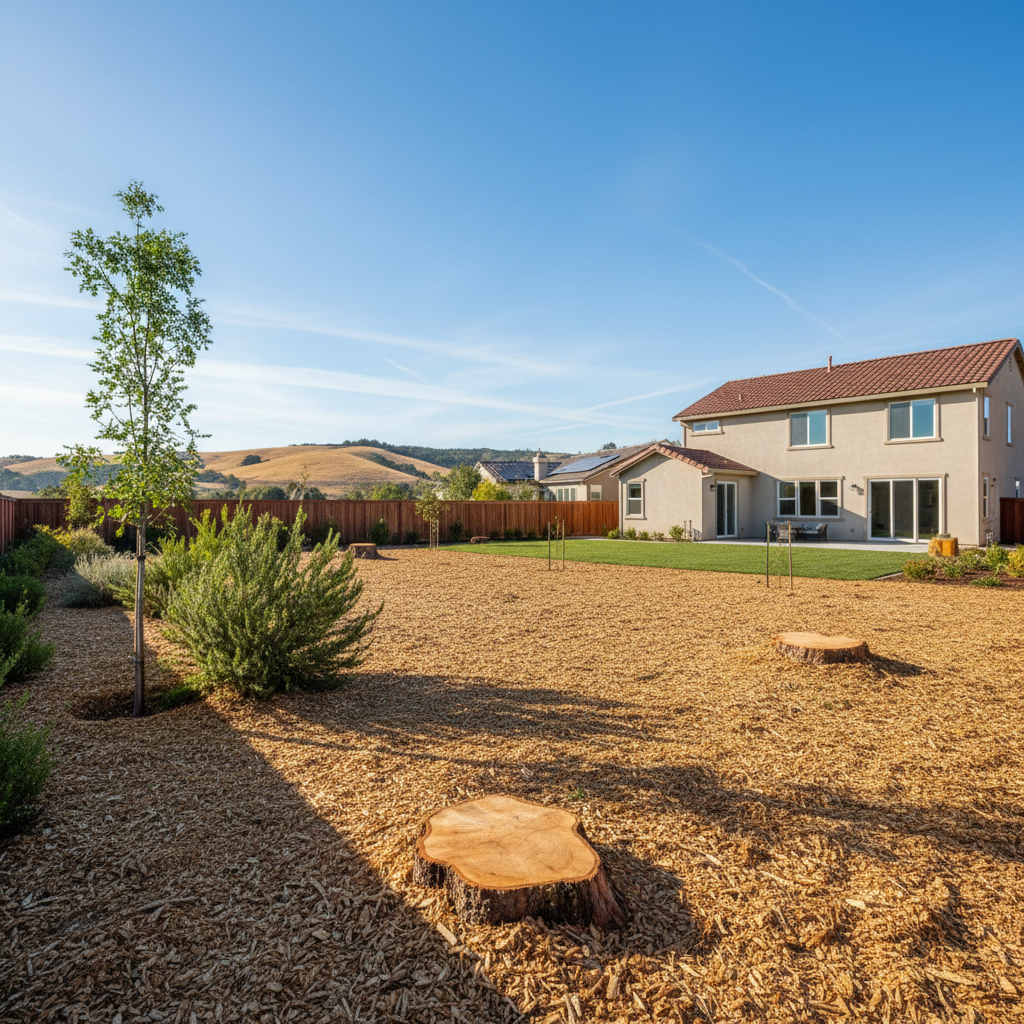
So, you've had your land cleared. Maybe it was for fire prevention, a new building project, or just to reclaim some overgrown space. Whatever the reason, you've made a smart move. But here's the thing: nature doesn't just give up. Left unchecked, those weeds, brush, and saplings will be back faster than you can say 'fire season.' That's why maintaining your cleared land is just as important as the clearing itself.
Extending the Life of Your Land Clearing Work
When Apex Tree clears a property, we're not just cutting things down; we're setting you up for long-term success. But it's a team effort. To really make that investment last, you've got to stay on top of things. The biggest challenge in our area, especially with our hot, dry summers and wet winters, is rapid regrowth. We've got tough, fast-growing plants around here.
Mulching: This is a big one. After clearing, applying a good layer of mulch – whether it's wood chips from the clearing itself or store-bought – does wonders. It suppresses weed growth by blocking sunlight, helps retain soil moisture (which is crucial in Fairfield's climate), and slowly breaks down to enrich the soil. Just make sure it's not piled up against structures or trees you want to keep.
Strategic Planting: If you're not building immediately, consider planting native, slow-growing, fire-resistant ground covers or shrubs. They'll help stabilize the soil, prevent erosion, and make it harder for invasive weeds to take hold.
Soil Management: Sometimes, the clearing process can disturb the soil. If you've got a lot of clay in your yard, like many properties near Rockville Hills Park, you might see compaction. Aerating or adding compost can improve drainage and make it less hospitable for certain aggressive weeds.
What Regular Maintenance Looks Like
Think of it like mowing your lawn, but less frequent. Regular maintenance is about catching problems when they're small and manageable.
Seasonal Inspections: Walk your property at least once a season, but pay extra attention in late spring and early fall. After our spring rains, everything explodes. In the fall, you're looking for dry, dead brush that could become a fire hazard.
Weed Control: Hand-pulling small weeds is effective. For larger areas, consider targeted herbicide application, but be careful and follow instructions, especially if you're near waterways or have pets. Mechanical methods like string trimming or brush cutting are also good for keeping saplings and brush from getting out of hand.
Debris Removal: Don't let leaves, dead branches, or other organic debris accumulate. This fuels new growth and, more importantly, creates fire hazards. It's especially critical if you're in the Wildland Urban Interface (WUI) zones around Fairfield.
Check Drainage: Make sure water is flowing properly and not pooling, which can encourage unwanted plant growth and even damage foundations.
Warning Signs of Problems
You don't need to be an expert to spot trouble. Just keep an eye out for these things:
Rapid Regrowth: If you see a significant amount of brush or saplings popping up quickly, especially in areas that were completely cleared, it means the underlying root systems are still active or seeds are germinating fast. This is a sign you need to step up your control efforts.
Erosion: Bare soil, especially on slopes, is prone to erosion during our heavy winter rains. Look for ruts, exposed roots, or soil washing away. This can undermine structures and create bigger problems down the line.
Pest Infestations: Cleared areas can sometimes attract new pests, or old ones might become more visible without dense cover. Keep an eye out for unusual insect activity or signs of rodent burrows.
Dead or Dying Vegetation: If plants you wanted to keep are looking stressed, wilting, or dying, it could be a sign of disease, improper drainage, or a nutrient deficiency.
When to Call a Professional
While a lot of maintenance you can handle yourself, there are times when it's just smarter, safer, or more efficient to bring in the pros.
Large-Scale Regrowth: If you're facing an overwhelming amount of new brush or saplings across a large area, it's probably time to call us. We've got the heavy equipment and expertise to get it under control quickly and effectively.
Hazardous Trees or Stumps: If you have large stumps that are sprouting vigorously, or if any remaining trees look unstable or diseased, don't try to tackle them yourself. That's a job for trained arborists with the right gear.
Erosion Control Issues: If you're seeing significant erosion, especially on steep grades or near foundations, a professional can assess the situation and recommend solutions like retaining walls, terracing, or specialized planting.
Fire Abatement Compliance: If you're in a high-risk area and need to meet specific fire abatement standards set by the city or county, it's often best to have a professional ensure you're compliant. We know the rules and can make sure your property is safe.
Before a New Project: If you're planning new construction or landscaping, getting a professional assessment of your cleared land can save you headaches and money down the road. We can advise on soil conditions, drainage, and any remaining issues.
Your cleared land is an asset. With a little ongoing effort and knowing when to call in the cavalry, you can keep it looking great and serving its purpose for years to come.